Almost everything written about Salalah assumes you'll be done by sunset. The springs, the wadis, the blowholes — they're morning destinations, written up in morning light, photographed before 10am. By the time most travel guides get you back to your hotel it's 4pm and the day is apparently over.
But Salalah after dark is a completely different city from Salalah in the daytime, and if you have a car — especially during the summer Khareef months — you'd be wasting it by parking it before dinner.
Why Driving After Dark Actually Makes Sense Here
Outside of Khareef season, daytime temperatures in Salalah sit between 28 and 36 degrees. After 8pm they drop to something genuinely comfortable. The Corniche, Al Haffa Souq, and the city's open spaces all come alive once the heat breaks — families come out, restaurants fill up, and the frankincense smoke that drifts through the souq lanes smells better in the cool night air than it ever does at noon.
Driving is also notably easier. Salalah's roundabouts and central roads lose most of their daytime friction once school runs and office traffic disappear. A car trip that takes 25 minutes at 5pm takes 10 minutes at 9pm, and parking that's genuinely impossible near the Corniche during busy afternoons becomes straightforward after dark.
On mountain and desert roads outside the city, after dark is a different calculation entirely. Camels and goats cross the roads freely and are nearly invisible until your headlights are right on them. Stay on well-lit urban and coastal roads at night, and save the mountain and plateau drives for daylight.
The Al Haffa Souq at Night
Al Haffa Souq operates in two distinct modes. In the daytime it's a tourist market — pleasant, photogenic, and a little quiet. After 8pm it shifts into its real function, when Salalah residents do their actual shopping. The lanes fill up, the frankincense censers smoke more heavily, and the vendors running the silver and textile stalls are in a genuinely different mood.
Parking near the souq in the evenings is easier than you'd expect — the lanes just east of the main entrance usually have space by the time most people are arriving for dinner. Allow two to three hours if you're planning to browse seriously.
The Corniche After Dinner
The Salalah Corniche runs for a few kilometres along the waterfront, and the best stretch of it is after 9pm when the fishing boats have come in, the restaurants are full, and the sea breeze coming off the Arabian Sea makes it genuinely comfortable to walk. Drive the Corniche road slowly rather than walking it — the light off the water and the city skyline behind it look better from behind the wheel than from the pavement.
If you're eating out, the waterfront restaurants fill by 8:30pm on most evenings; arriving closer to 8pm gives you first choice of tables facing the water rather than the kitchen.
Night Market Runs: The Raysut Fish Market
The Raysut fishing harbour, a few kilometres west of the city centre, operates differently at night than any tourist attraction in Salalah. It's a working fish market where the catch comes in through the evening and local buyers arrive before the restaurants do. It's not set up for visitors, doesn't have signage explaining itself, and isn't in most guides. That's the reason to go.
Arrive between 9 and 10pm, park on the harbour road, and spend 20 minutes watching the catch being unloaded and traded. It's one of the most genuine things you can see in Salalah and it takes a car to get there efficiently from the centre.
Night Drives Worth Doing
The Coastal Road South
The road running south of Salalah along the coast toward the port is quiet at night and lit well enough for a comfortable drive. The Arabian Sea on one side and the city lights on the other make it a noticeably different drive from the same road at noon. 20 minutes each way, any car.
The City Loop at Midnight
Salalah has a surprisingly usable ring-road system. Driving it at midnight during Khareef season — with the mountain mist rolling down into the city streets and the green hills visible behind the apartment blocks — is one of those things that sounds unremarkable and ends up being memorable.
The roads to Mughsail, Jabal Ittin, and any of the wadi routes east of Mirbat should be driven in daylight only. Wildlife crossings, unlit road edges, and the complete absence of other traffic in an emergency all make remote night driving in this region a genuinely bad idea. The city is the destination after dark, not the mountains.
Which Car for a Night Out
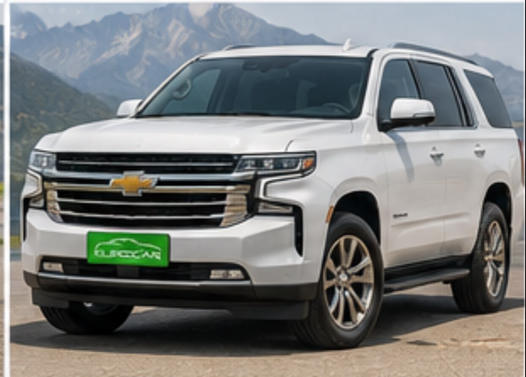
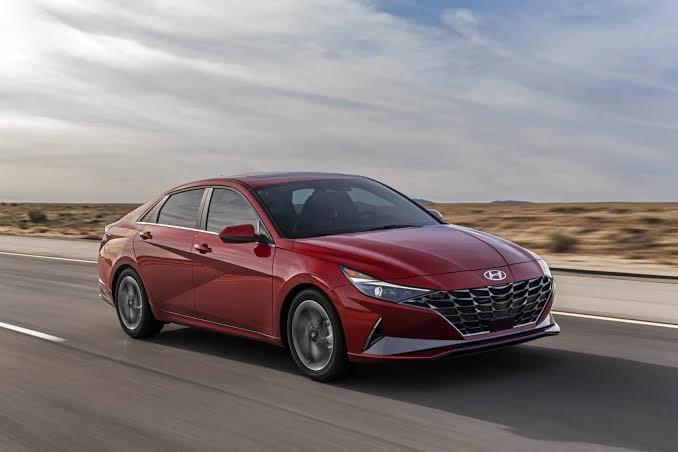
Night driving in the city doesn't require anything special. Parking spaces near the souq and the Corniche run tight, so a smaller car is a genuine advantage here.